Earbuds vs. Over-Ear Headphones: Choose for the Hours You Actually Listen
Compare earbuds and over-ear headphones for commuting, desk calls, travel, comfort, portability, and the fit details that change everyday listening.
This guide draws on published documentation and practical use cases, not hands-on testing. It contains no paid product placements or affiliate shopping links. How we work · Affiliate Disclosure

Earbuds win on easy carrying; over-ear headphones may suit longer seated sessions. Fit, connection behavior, and call quality matter more than size alone.
In this guide
Your commute is short, but your video meetings are not. You want something small enough for a coat pocket and comfortable enough to wear through an afternoon. Earbuds and over-ear headphones solve parts of that problem differently, and the most expensive option in either category may still be the wrong fit.
Our assessment favors earbuds when portability and frequent movement dominate. Over-ear headphones are worth considering for longer seated listening when their weight, cushions, and clamping feel suit you. There is no category-wide winner for sound or noise cancellation; those qualities depend on the particular design and its fit.
Compare how you wear them
Sealed in-ear earbuds use tips that sit at the ear-canal entrance. A good seal affects sound and isolation, which is why some manufacturers provide a fit or acoustic-seal check. Different tip sizes may be needed in each ear. A smaller body does not guarantee comfort if the tip or shell shape is unsuitable.
Over-ear headphones place cushions around the ears and distribute weight through a headband. That avoids an in-ear tip but introduces pressure around the head and ears. Glasses, earrings, hairstyle, and the cushion opening can change the experience. A light-looking frame is not enough to establish comfort.
This comparison focuses on earbuds and everyday closed-back over-ear designs. Open-back listening headphones have different leakage and isolation tradeoffs. Open-ear earbuds are another separate choice, covered in our open-ear versus in-ear guide.
Which format fits the routine?
| Routine | Useful starting point | Compromise to consider |
|---|---|---|
| Short trips with a small bag | Earbuds in a compact charging case | Small pieces are easier to misplace |
| Several hours at a desk | Comfortable over-ear headphones | Heat, clamping, and headband pressure vary |
| Frequent movement between rooms | Earbuds with secure fit and useful controls | Fit may shift while talking or moving |
| Long travel days | Whichever remains comfortable over time | Compare listening time without a recharge, not just total battery claims |
| Shared office calls | The design with suitable microphones and connection behavior | Listening noise cancellation does not establish microphone quality |
Treat the table as a way to narrow your shortlist. It does not substitute for checking fit or the specifications of a particular device.
Noise cancellation is only one part of the experience
Passive isolation comes from the physical fit and construction. Active noise cancellation adds electronic processing. Both earbuds and over-ear headphones can offer it, but the presence of ANC alone does not tell you how effective the complete design will be.
A poor ear-tip seal can undermine the benefit of otherwise capable earbuds. Similarly, over-ear cushions need to sit appropriately around the ears. Apple’s ear-tip guidance links a suitable seal to acoustic performance and noise cancellation, illustrating why fit deserves attention before comparing feature lists.
Transparency or ambient modes can be useful when speaking briefly to someone, but check how easy they are to activate. An awkward control you avoid using is less valuable than a simpler arrangement that fits your routine.
Calls need a separate assessment
A device that makes music sound good to you may not transmit your voice clearly to someone else. Microphone placement, processing, surroundings, and the calling application all matter. “Noise cancelling” can describe what you hear without promising equivalent treatment of your outgoing voice.
For work, verify connection behavior with your computer and phone. If simultaneous connections matter, check the actual multipoint support and restrictions. Automatic switching, paired-device memory, and simultaneous connection are related ideas, but they are not interchangeable descriptions.
Also check mute controls, whether mute status is clear, and whether the device can operate while charging. A wired fallback may be useful for long sessions, but the presence of a charging socket does not guarantee USB audio support.
Battery claims need context
Earbud advertisements often combine listening time from the earbuds with extra recharges from the case. That total is different from uninterrupted listening time. Over-ear figures may assume particular settings, while ANC, calls, and other features can change runtime.
Compare the conditions attached to the figures rather than only the largest number. Think about where charging fits into your day. A case is convenient for breaks between trips; a device used continuously for work needs enough usable session time without relying on those breaks.
For travel charging, our power bank guide explains capacity and output. You may only need a small backup, not a large laptop-oriented battery.
Who should skip a second pair?
If your current headphones fit comfortably, connect reliably, and cover your listening environments, changing format may add little. Start by replacing worn tips or cushions with supported parts where appropriate, and check the manufacturer’s care instructions.
Skip bulky over-ear headphones if you regularly leave them behind because of bag space. Skip sealed earbuds if you cannot find a comfortable fit. A theoretical sound advantage is not useful when the device remains unused.
Frequently asked questions
Do bigger headphones always sound better?
No. Acoustic design, tuning, fit, and personal preference matter. Physical size alone is not a sound-quality score.
Are earbuds suitable for exercise?
Some are, but verify secure fit and the manufacturer’s stated sweat or water resistance. Do not infer those properties from the format.
Can noise cancellation improve calls?
It may improve what you hear, but outgoing microphone performance is a separate question. Check call-specific information.
Sources and scope
Checked October 21, 2026: Apple’s ear-tip fit guidance and Bose’s comparison of listening formats. Manufacturer explanations inform the format discussion; no listening tests, microphone recordings, or measured rankings are claimed.
Keep exploring
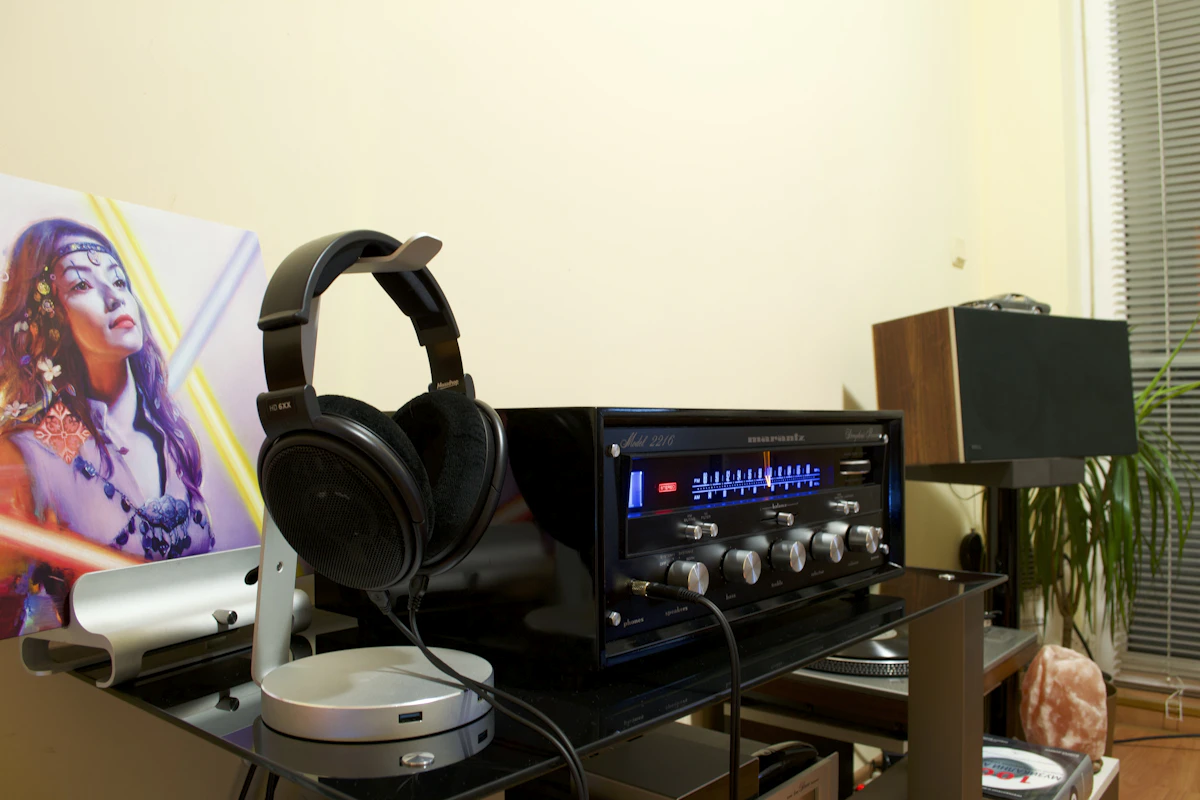
Bluetooth Audio Adapters: Get the Direction Right
Understand transmitters, receivers, audio inputs, microphone support and pairing before adding Bluetooth to older audio equipment.
Read the guide
Computer Speakers vs Soundbars: Audio That Fits Your Desk
Compare separate desktop speakers and compact soundbars by placement, connections, controls and the way you actually use your desk.
Read the guide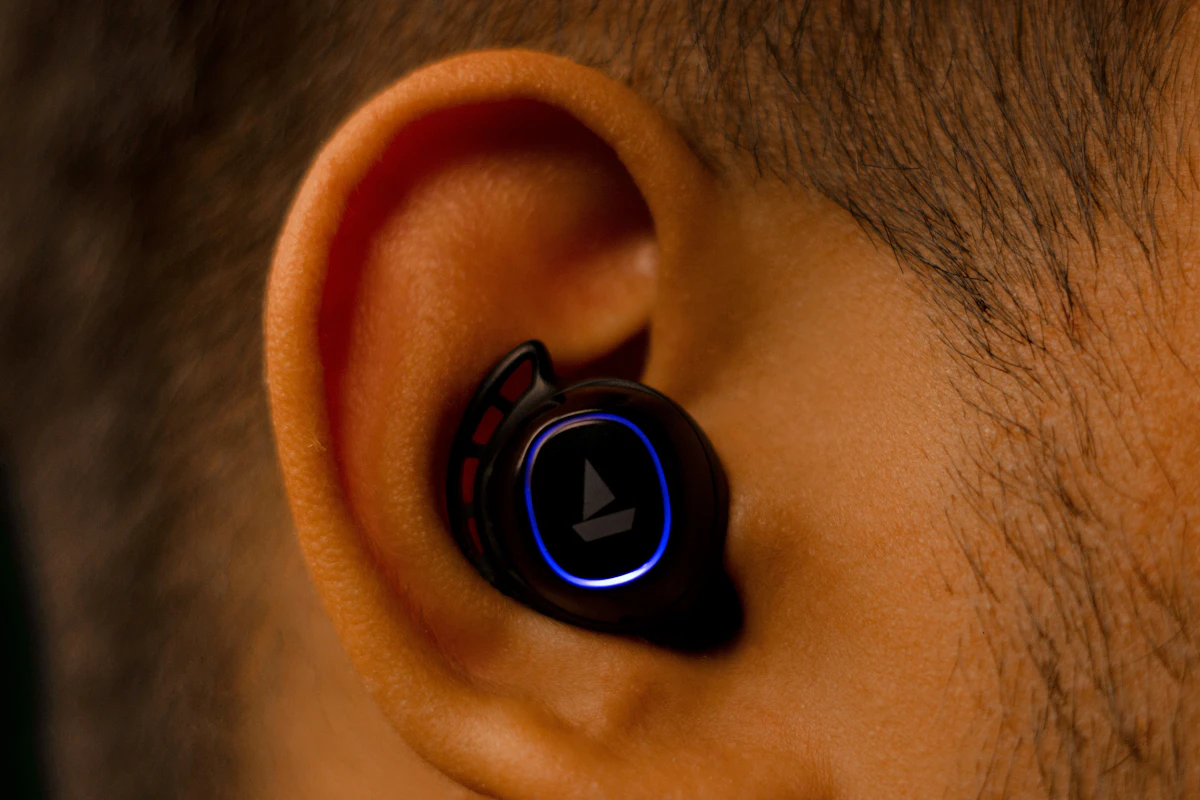
Open-Ear vs. In-Ear Earbuds: Awareness or Isolation?
Compare open-ear and sealed in-ear earbuds for home listening, commuting, shared spaces, glasses, calls, and the tradeoff between awareness and isolation.
Read the guide